Gas Line Extension Timing and Considerations
Gas line extensions are typically performed when there is a need to supply additional areas or new structures with natural gas. The optimal time for installation depends on various factors including weather conditions, project scope, and utility company scheduling. Planning during mild weather seasons can facilitate smoother work and reduce delays.
Spring and fall are generally preferred for gas line extensions due to moderate weather, minimizing weather-related disruptions.
Extreme cold or heat can impact the installation process, making it more challenging and potentially increasing costs.
Coordination with utility providers is essential and scheduling during off-peak times can expedite the process.
Ensuring site preparation and permits are completed beforehand can prevent delays once the optimal time arrives.
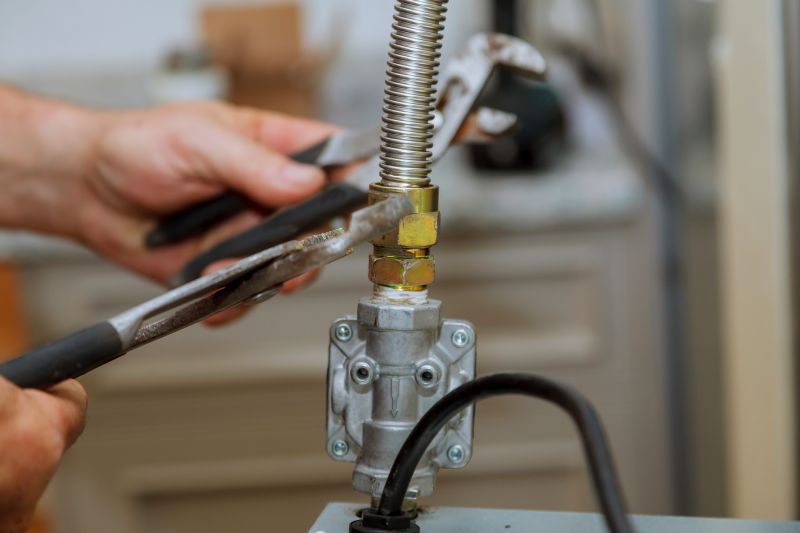
Specialized equipment is used for precise and safe gas line extensions.
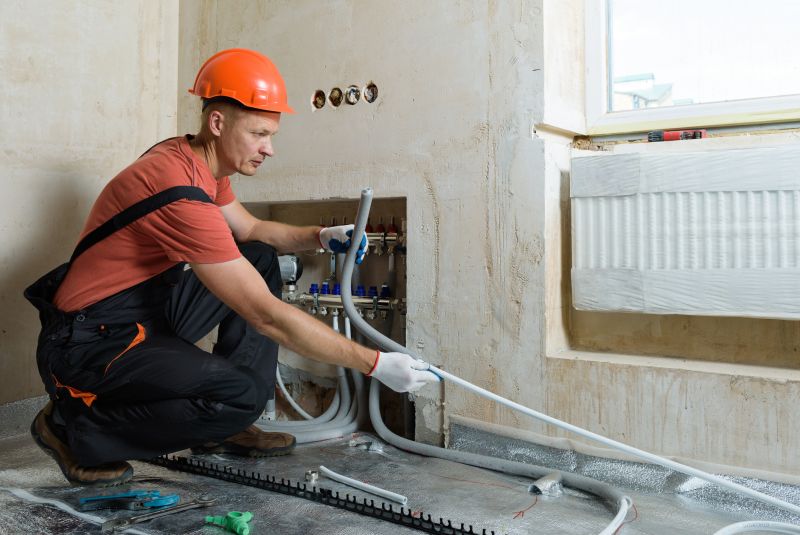
Installation crews working on gas line extensions in favorable weather conditions.
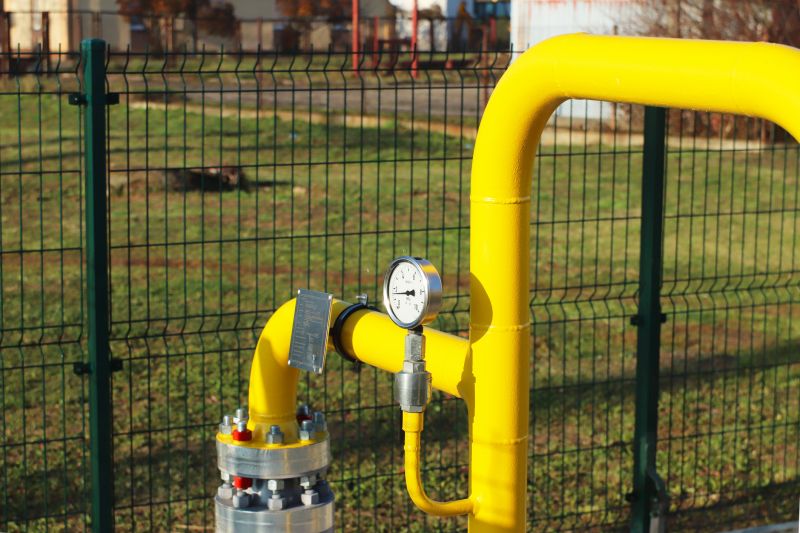
Finished extension ready for connection and use.
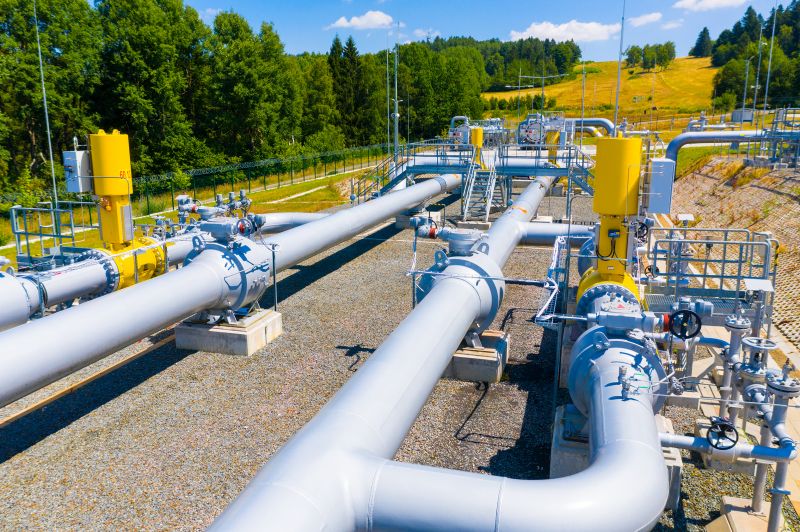
Ways to make Gas Line Extensions work in tight or awkward layouts.
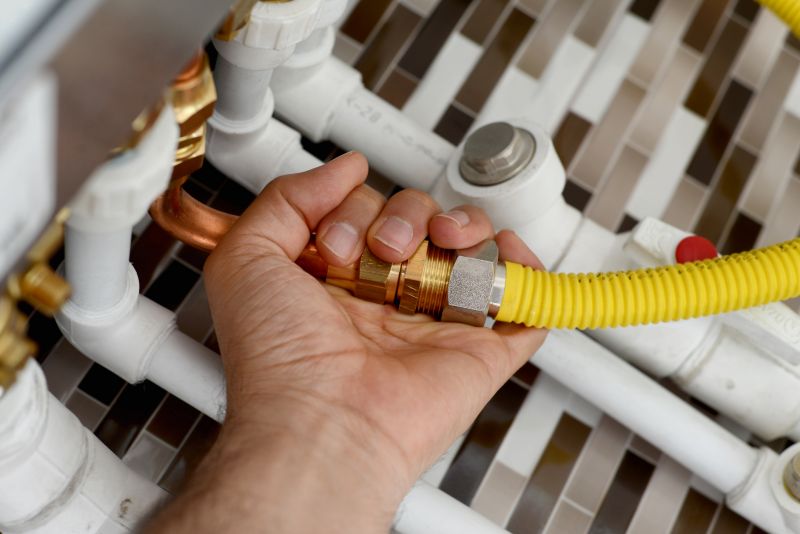
Popular materials for Gas Line Extensions and why they hold up over time.
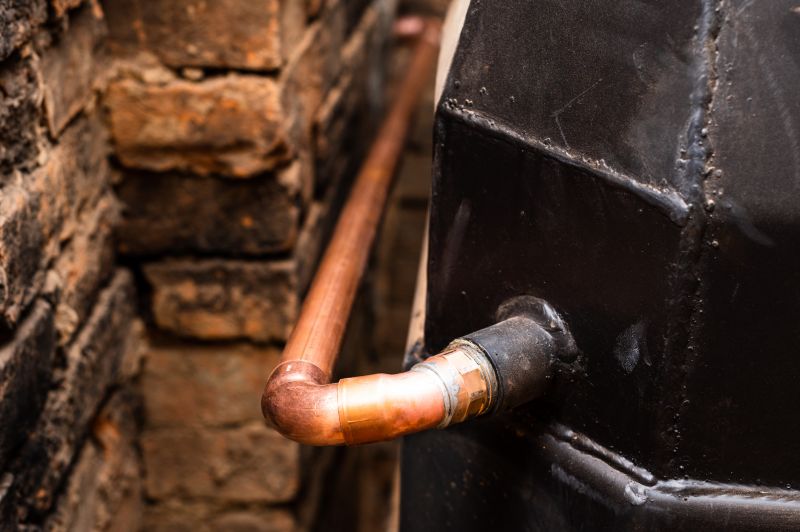
Simple add-ons that improve Gas Line Extensions without blowing the budget.
| Factor | Details |
|---|---|
| Weather Conditions | Mild temperatures facilitate easier installation. |
| Utility Scheduling | Coordination with providers can influence timing. |
| Project Scope | Larger projects may require longer planning. |
| Permitting Process | Permits should be secured beforehand. |
| Demand Periods | High usage times may affect scheduling. |
| Site Readiness | Prepared sites reduce delays. |
| Seasonal Factors | Spring and fall are ideal. |
| Budget Considerations | Off-peak seasons may reduce costs. |
Gas line extensions involve extending the existing pipeline to supply additional properties or structures. Proper planning and timing are crucial to ensure safety, efficiency, and cost-effectiveness. The process includes site assessment, obtaining permits, coordinating with utility providers, and executing the installation with specialized equipment. Accurate scheduling aligned with favorable weather and utility availability can minimize disruptions and delays.
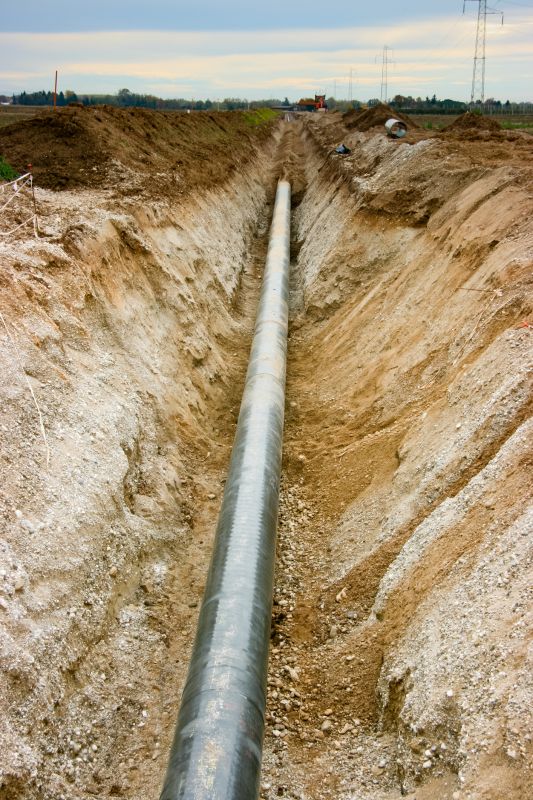
Planning stages involve site assessment and permit acquisition.
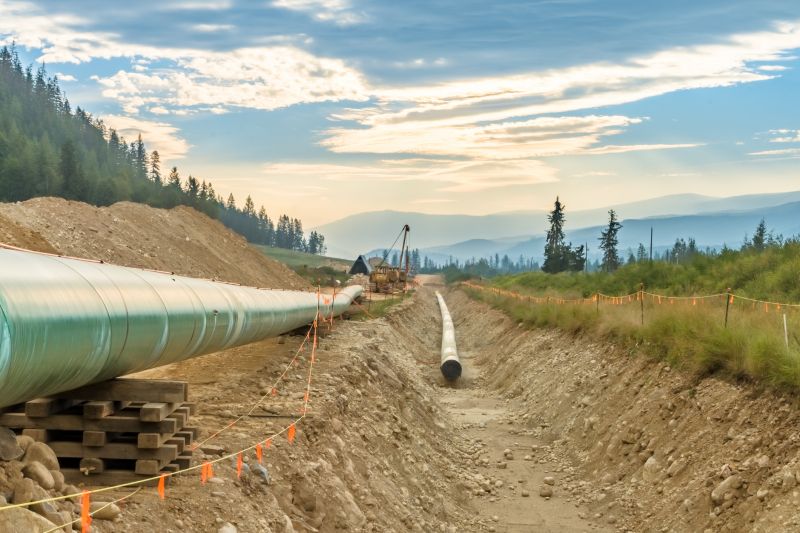
Equipment and crews working on extending gas pipelines.
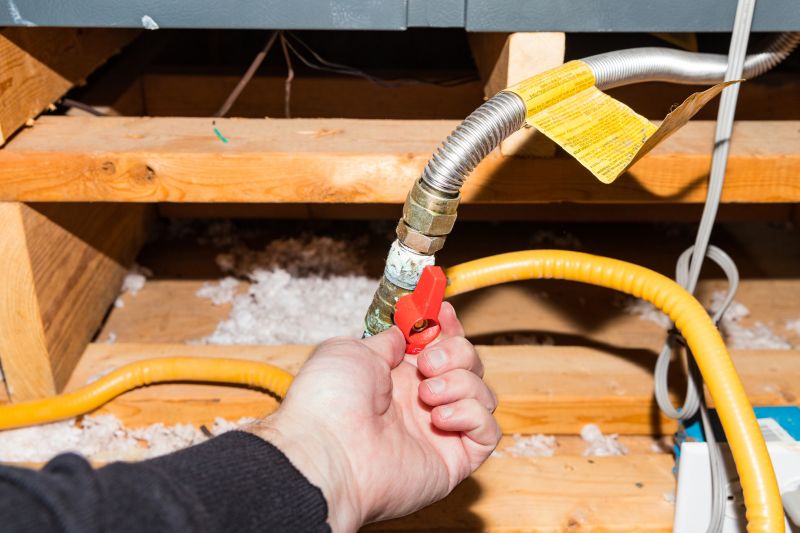
Ensuring the extension meets safety and quality standards.
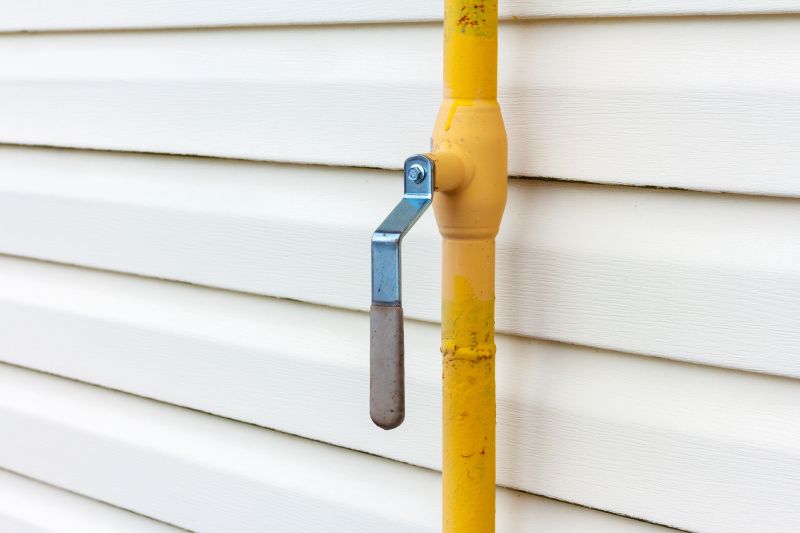
Linking the extension to the property’s gas system.
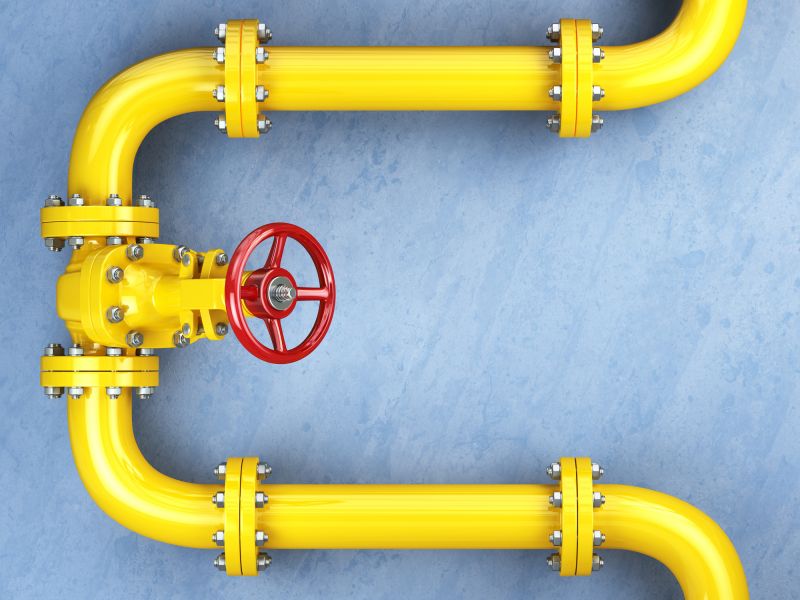
High-end options that actually feel worth it for Gas Line Extensions.
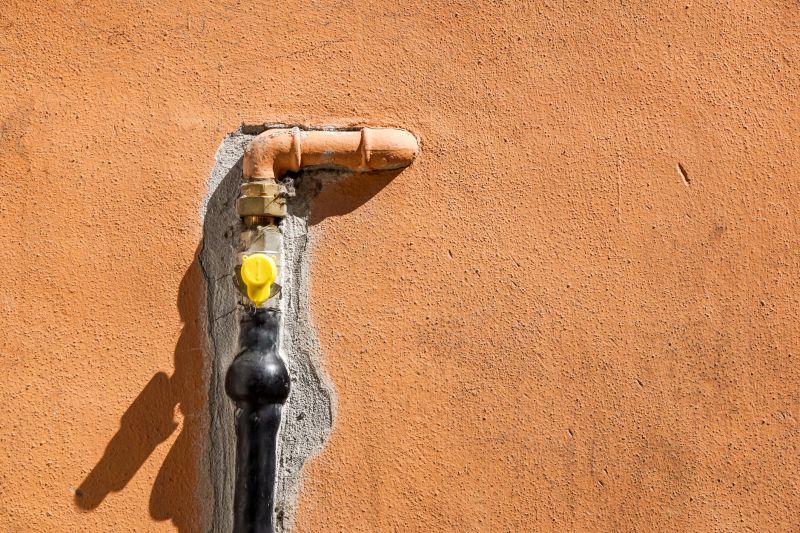
Finishes and colors that play nicely with Gas Line Extensions.
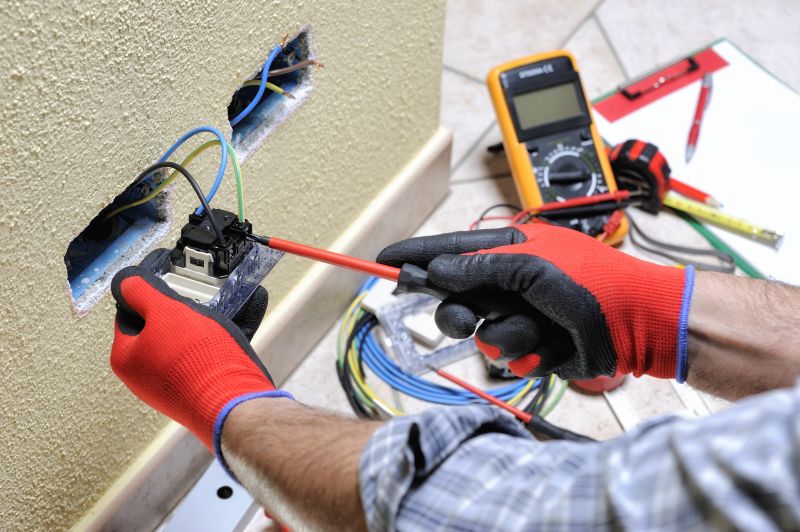
Little measurements that prevent headaches on Gas Line Extensions day.
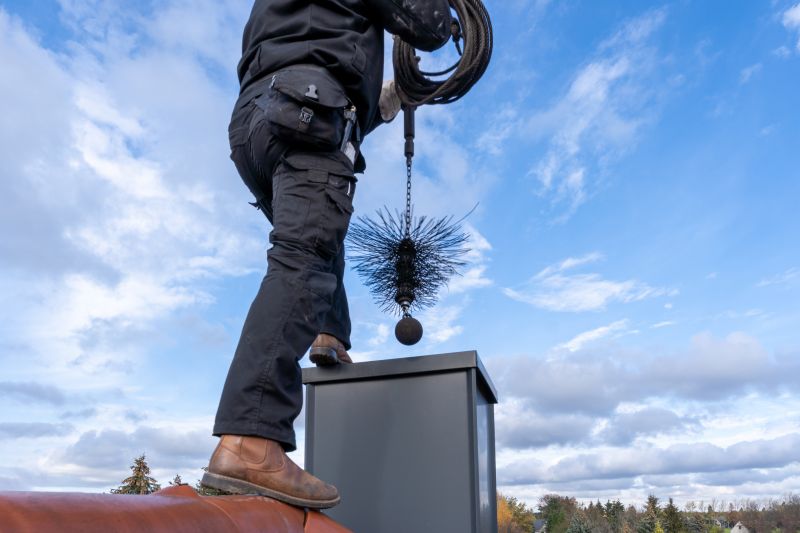
A 60-second routine that keeps Gas Line Extensions looking new.
Interested parties seeking gas line extensions are encouraged to contact for detailed assessments and scheduling information. Proper timing and preparation can ensure a smooth and efficient extension process, meeting project needs effectively.