Residential Gas Line Relocation Services
Relocating residential gas lines involves careful planning and precise execution to ensure safety and compliance with local codes. Proper relocation can accommodate home renovations, yard improvements, or new construction projects.
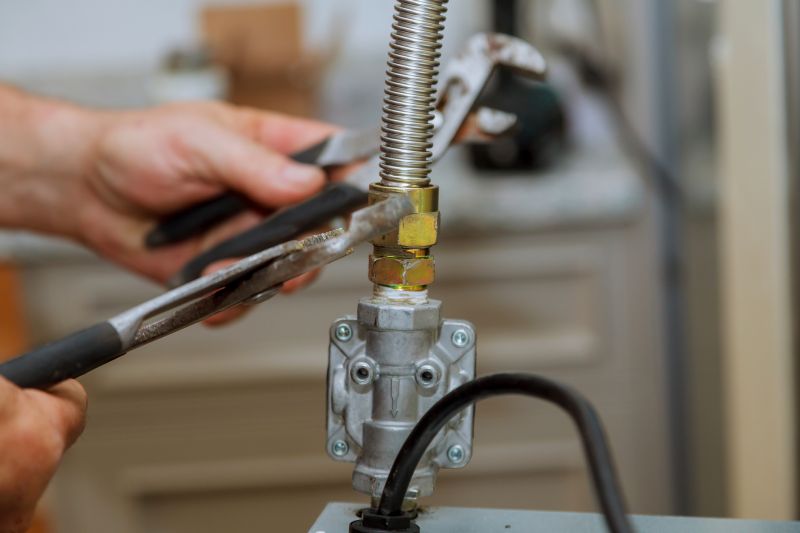
Installing new gas lines requires detailed layout planning and adherence to safety standards.
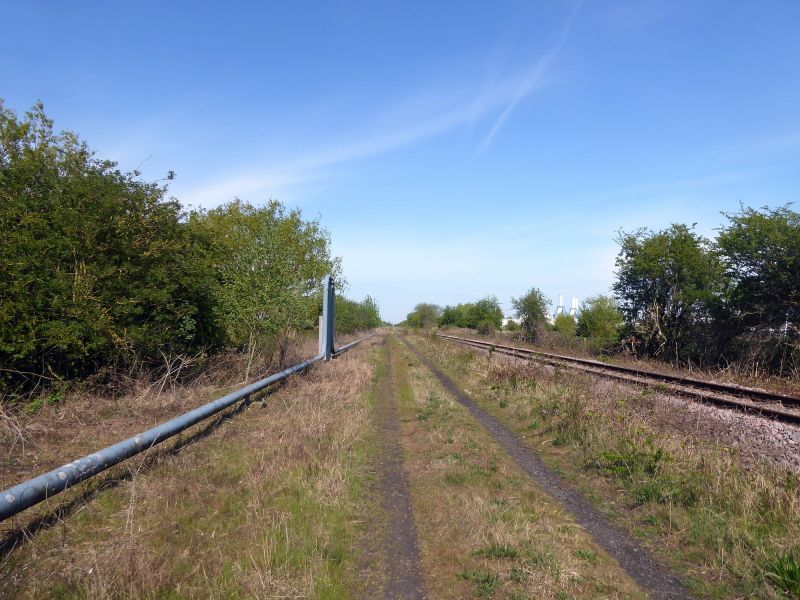
Re-routing involves moving existing gas lines to new locations for renovations or landscaping.
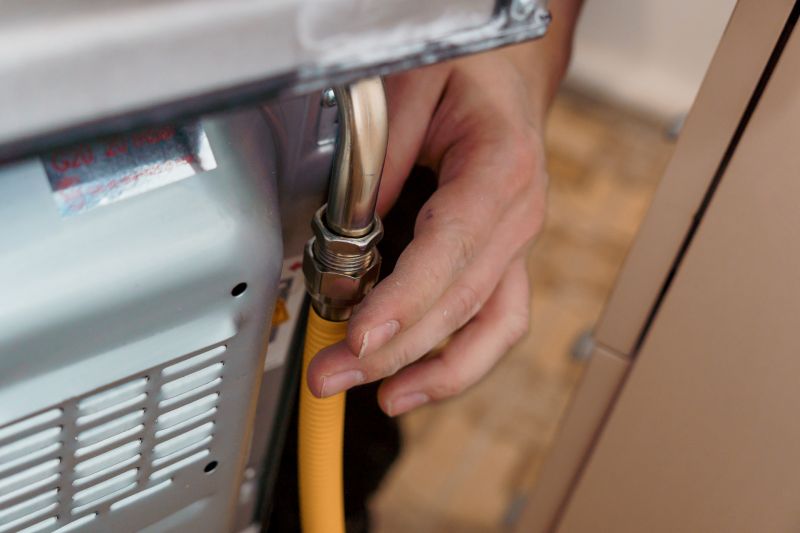
Repairing damaged or leaking gas lines is essential before relocation or new installation.
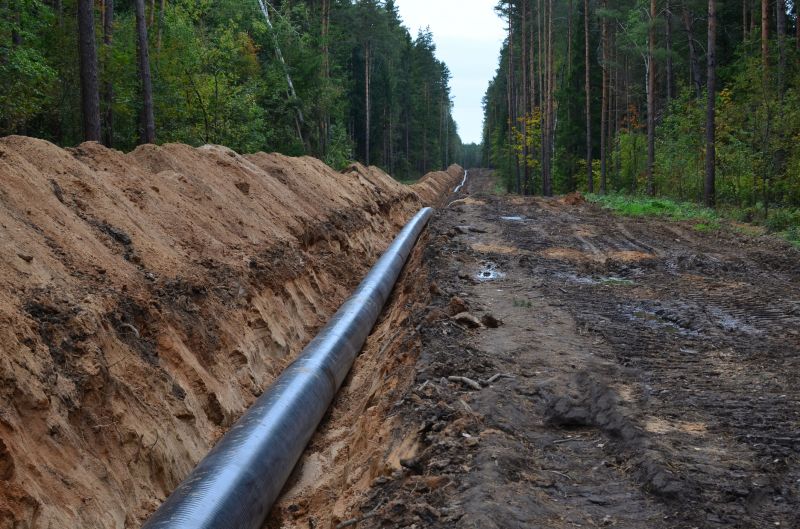
Ways to make Gas Line Relocation work in tight or awkward layouts.
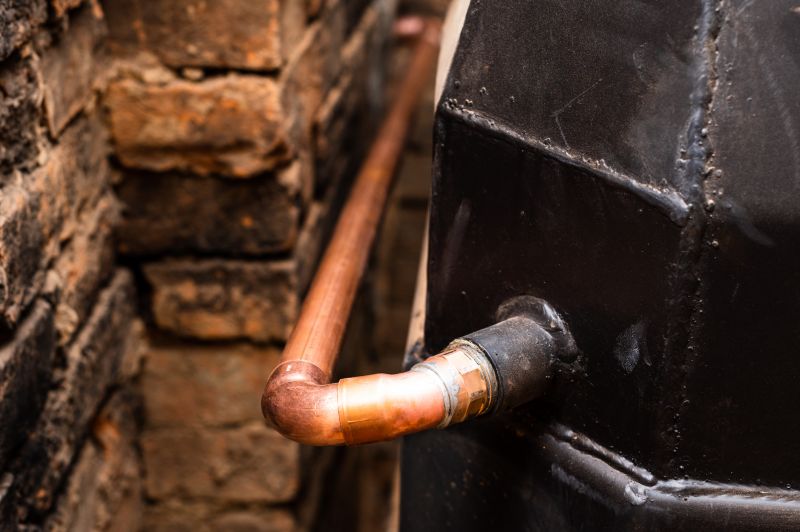
Popular materials for Gas Line Relocation and why they hold up over time.
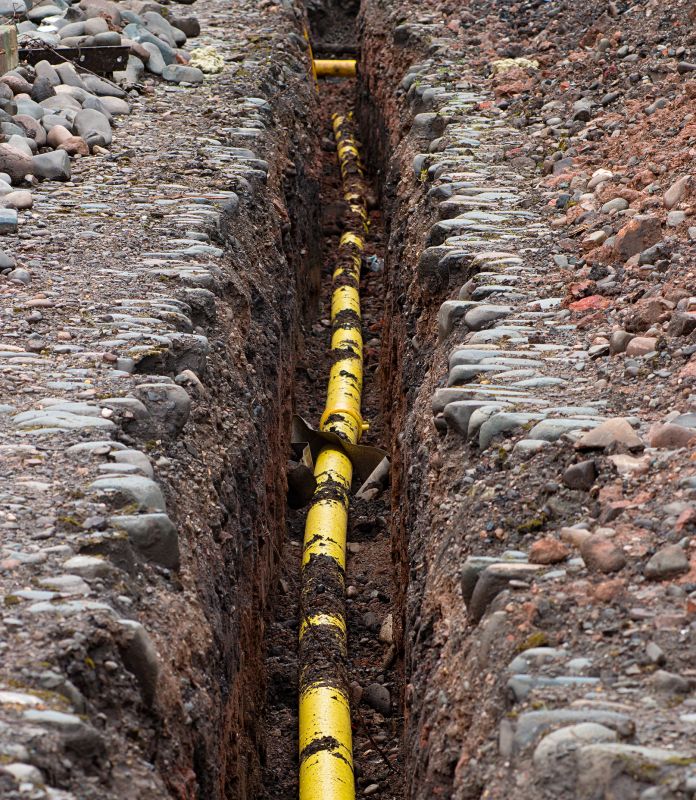
Simple add-ons that improve Gas Line Relocation without blowing the budget.
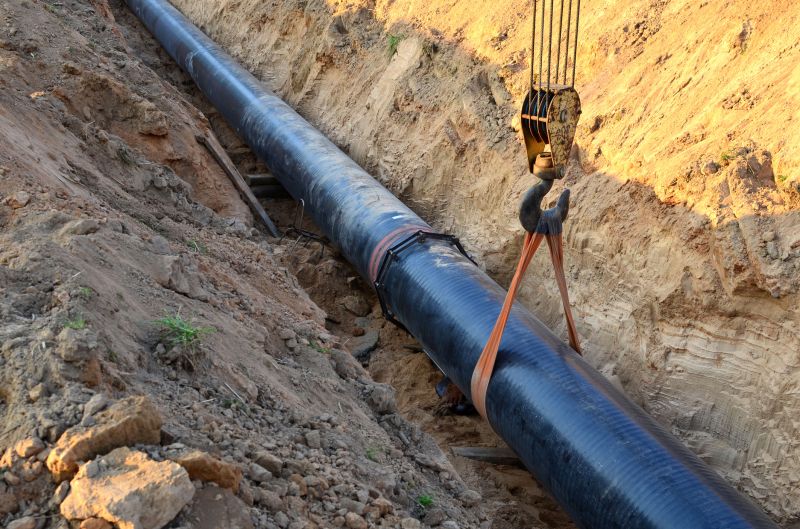
High-end options that actually feel worth it for Gas Line Relocation.
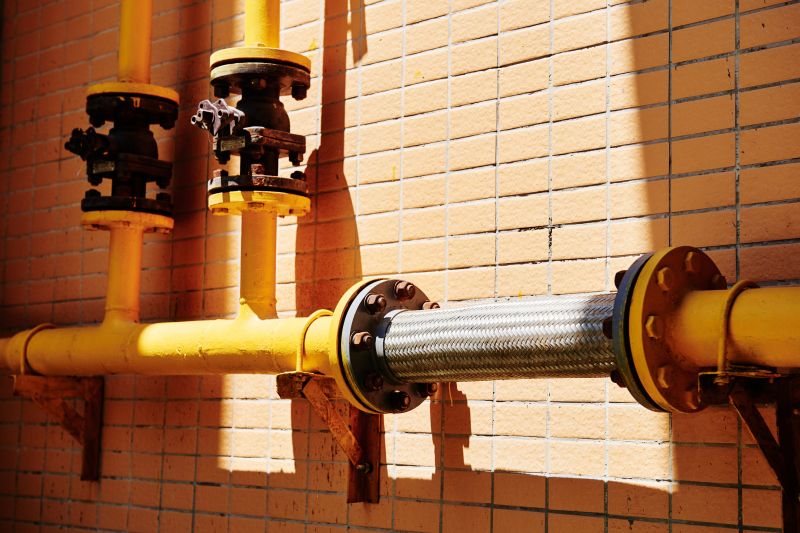
Finishes and colors that play nicely with Gas Line Relocation.
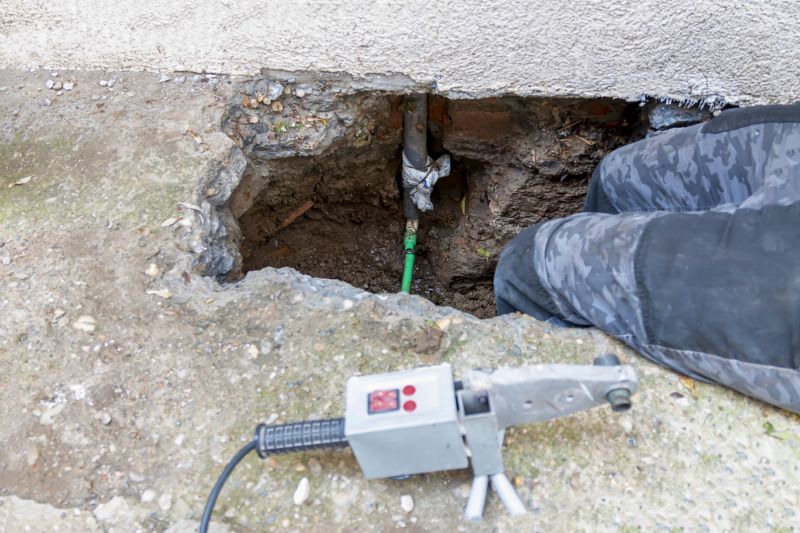
Excavation is performed carefully to prevent damage to existing utilities.
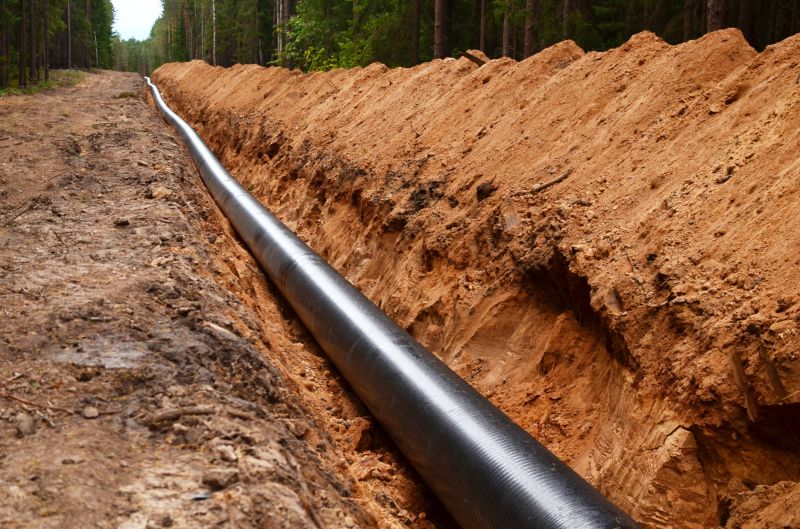
Trenching ensures proper depth and protection for relocated gas lines.
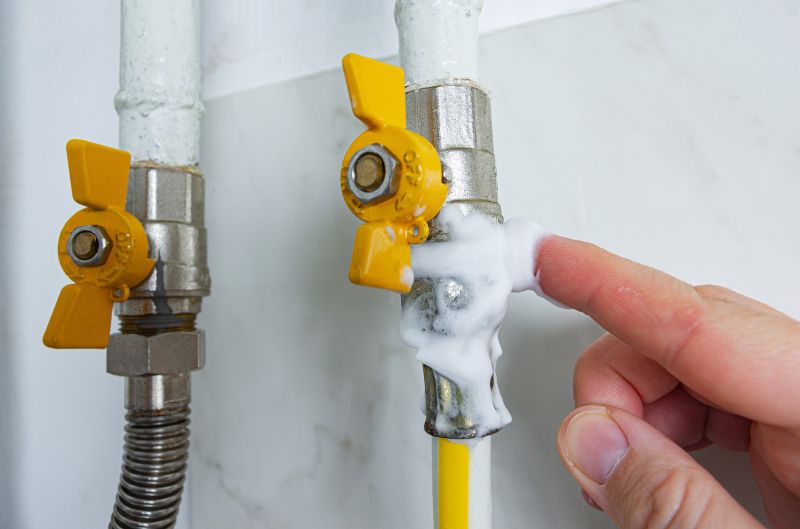
Connections are tested for leaks and safety after installation.
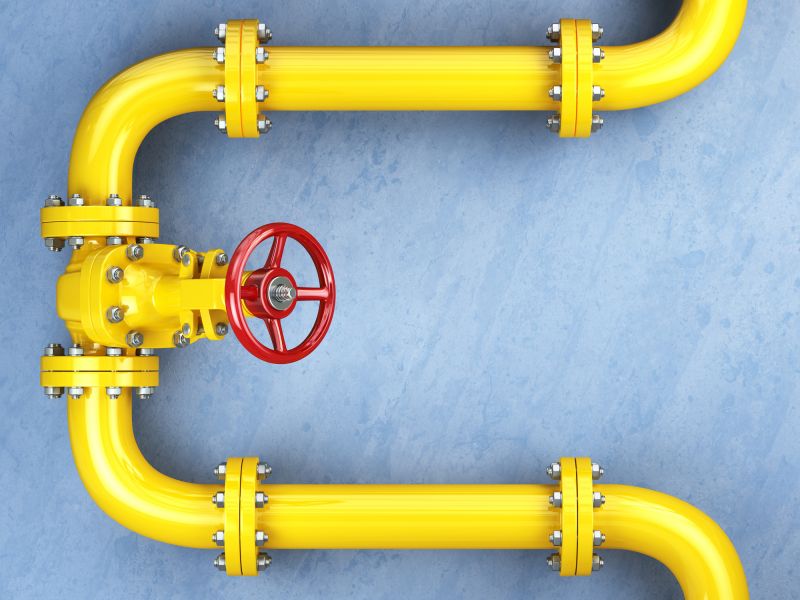
All relocations undergo inspection to meet safety standards.
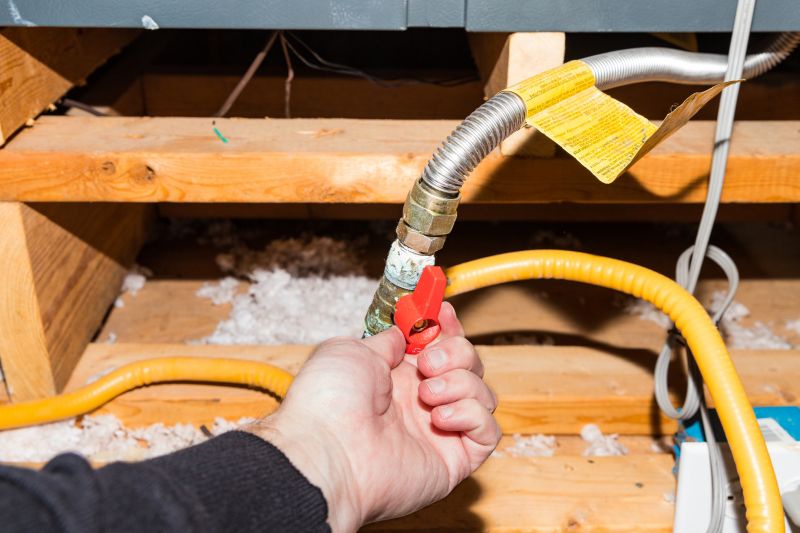
Final placement ensures accessibility and safety for future maintenance.
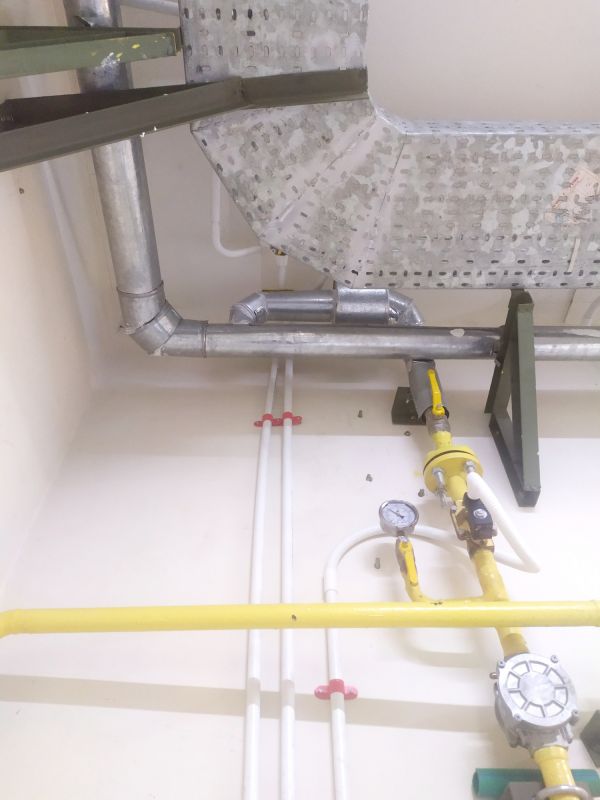
Little measurements that prevent headaches on Gas Line Relocation day.
| Aspect | Details |
|---|---|
| Average Duration | Relocating residential gas lines typically takes 1-3 days depending on complexity. |
| Permitting Requirements | Permits are required and must be obtained before work begins. |
| Cost Factors | Costs vary based on distance, excavation needs, and existing infrastructure. |
| Safety Considerations | Strict adherence to safety protocols minimizes risks during relocation. |
| Preparation Needed | Clear access to work areas and utility maps facilitate efficient work. |
| Post-Relocation Inspection | Inspections ensure compliance with safety standards. |
| Disruption Level | Work may temporarily affect yard access and landscaping. |
| Professional Involvement | Qualified technicians should handle all aspects of relocation. |
Understanding the process of gas line relocation helps homeowners prepare for the steps involved. From initial assessment and planning to excavation, connection, and inspection, each phase is critical for safety and compliance.
The duration for relocating residential gas lines varies based on property size and existing infrastructure. Typically, the process can be completed within a few days, minimizing disruption to the household.
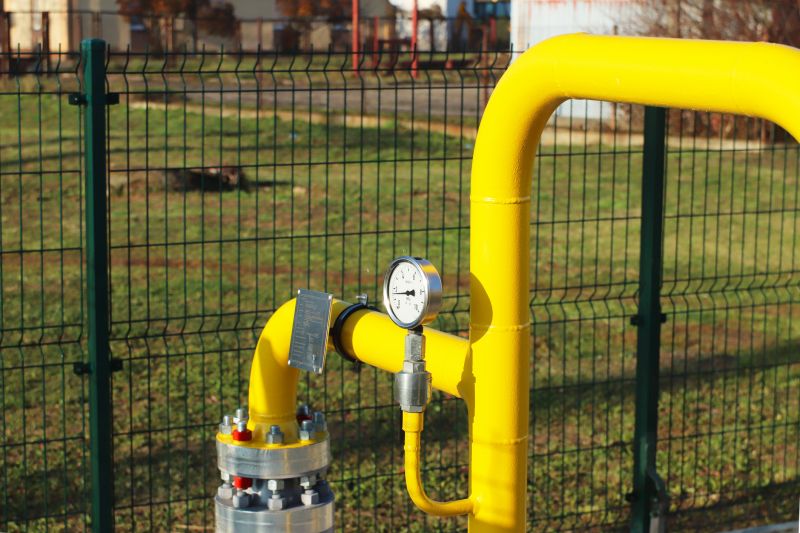
Detailed planning ensures efficient and safe gas line movement.
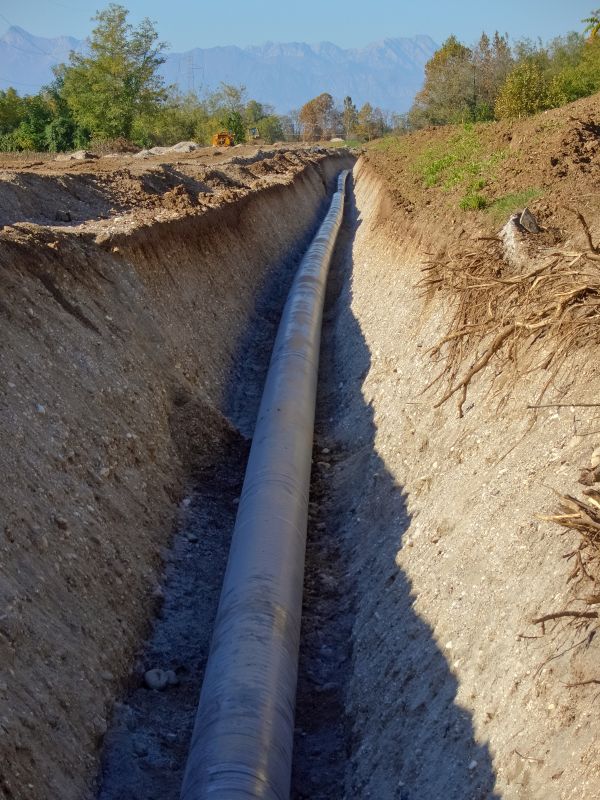
Careful excavation protects existing utilities and structures.
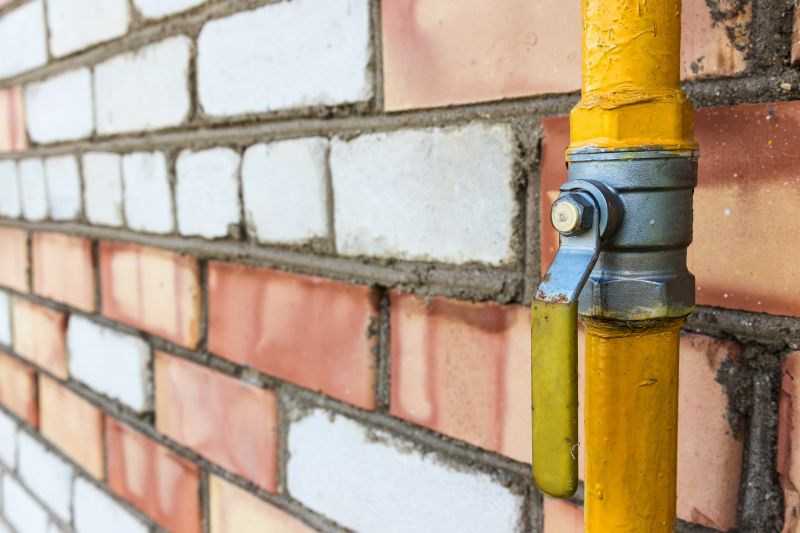
Connections are tested thoroughly to prevent leaks.
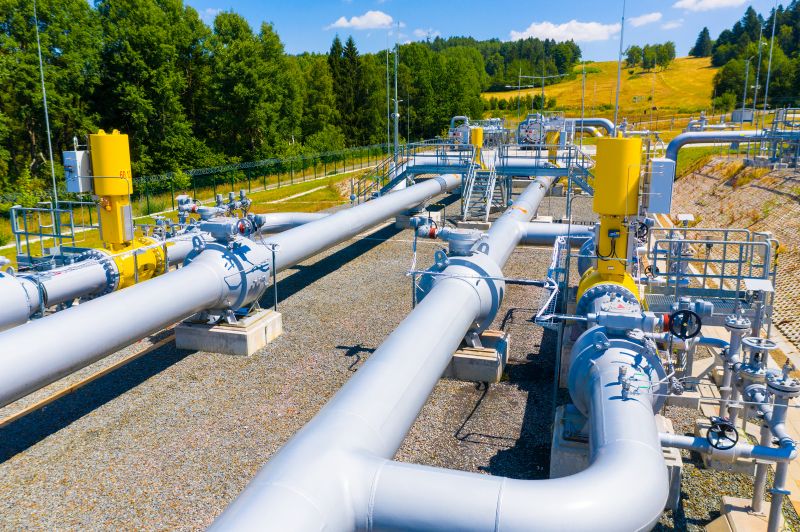
Inspection confirms compliance with safety standards.
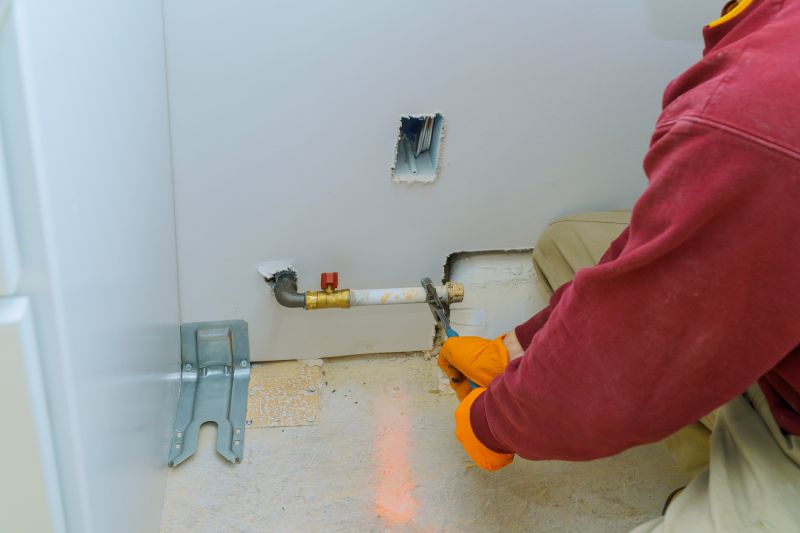
A frequent mistake in Gas Line Relocation and how to dodge it.
Small tweaks to make Gas Line Relocation safer and easier to use.
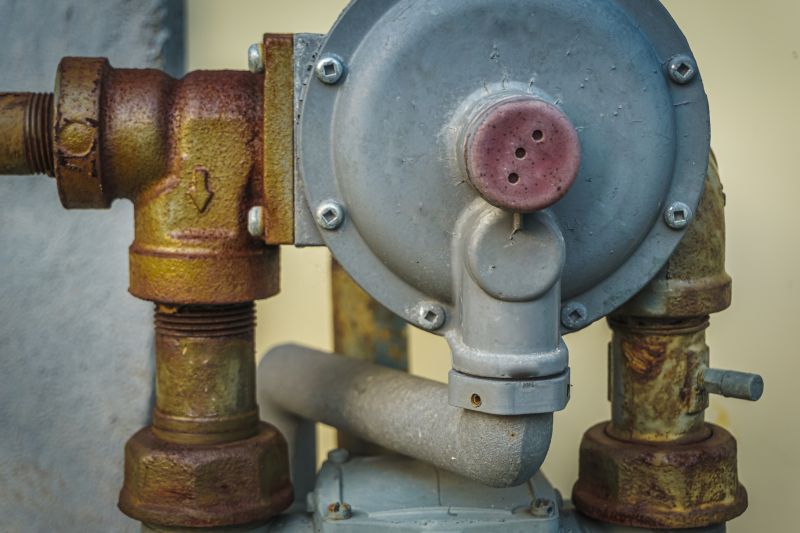
Lower-waste or water-saving choices for Gas Line Relocation.
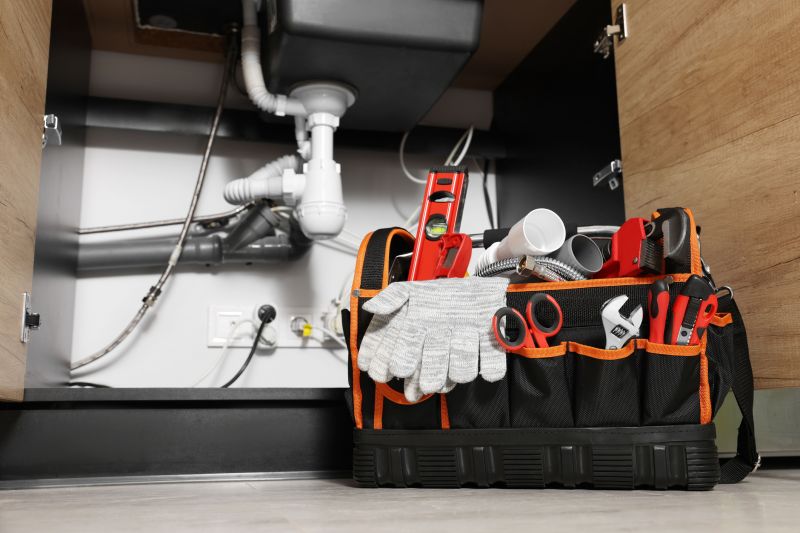
The short, realistic tool list for quality Gas Line Relocation.
Proper planning and execution are essential for successful gas line relocation. Homeowners are encouraged to contact professionals to ensure the process adheres to safety and regulatory requirements.
To receive a detailed quote for residential gas line relocation, fill out the contact form. Accurate assessments help in planning and scheduling the work efficiently.