Get Gas Line Capping
Gas line capping services help property owners safely disconnect or seal off unused or damaged gas lines, often needed during renovations, repairs, or property upgrades.
Property owners in the area considering property upgrades or safety improvements often explore gas line capping services as a practical solution. Whether planning renovations, preparing a property for sale, or ensuring safety after appliance removal, having a reliable professional handle the job can make the process straightforward and secure. Local contractors experienced in gas line capping are equipped to assess each situation carefully, providing peace of mind during your project planning.
Comparing options among local service providers can help property owners find the right fit for their specific needs. Many local pros offer expertise in safely capping gas lines, ensuring compliance with safety standards and proper installation. Keep reading to learn more about how local contractors can assist with gas line capping and explore the benefits of connecting with experienced professionals in the community.
- Gas Line Capping - needed when a gas line is no longer in use or requires temporary shutdown.
- Emergency Gas Line Closure - necessary during urgent repairs or safety concerns involving gas lines.
- Gas Line Replacement - required when existing lines are damaged, corroded, or outdated.
- Gas Line Inspection and Safety Checks - performed to ensure the integrity of gas lines before or after work.
- Gas Line Modifications and Extensions - needed when adding new appliances or rerouting existing gas lines.
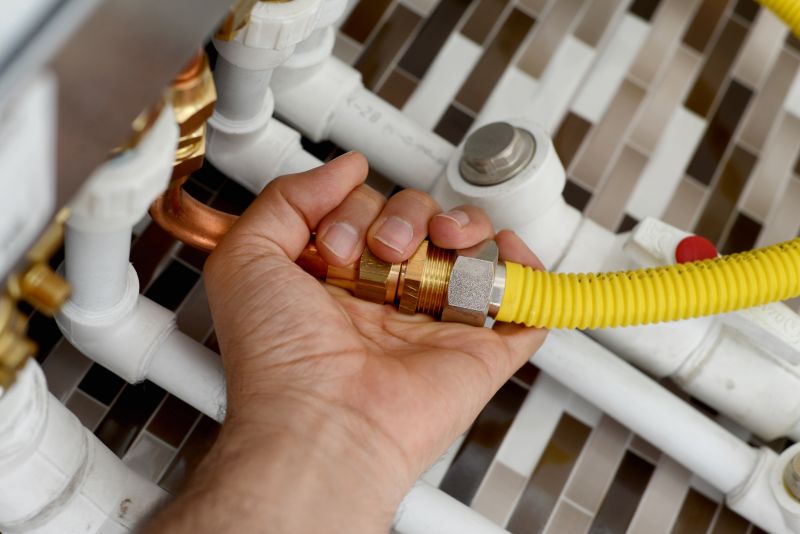
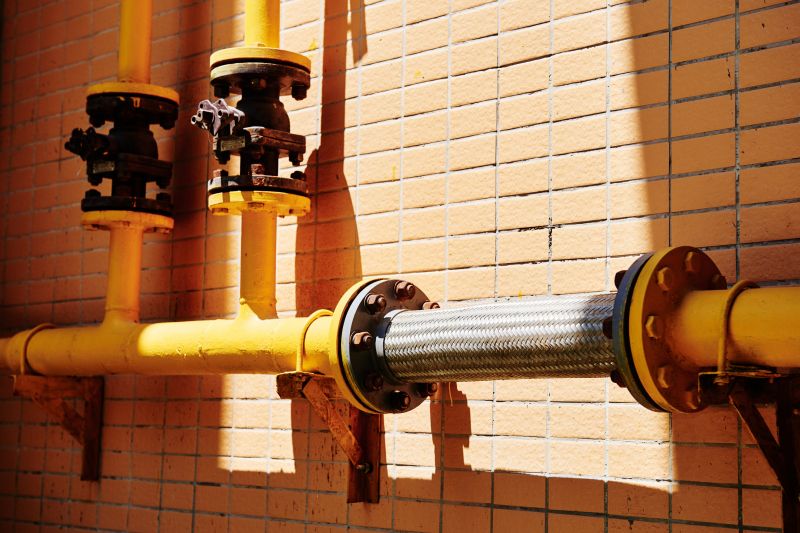
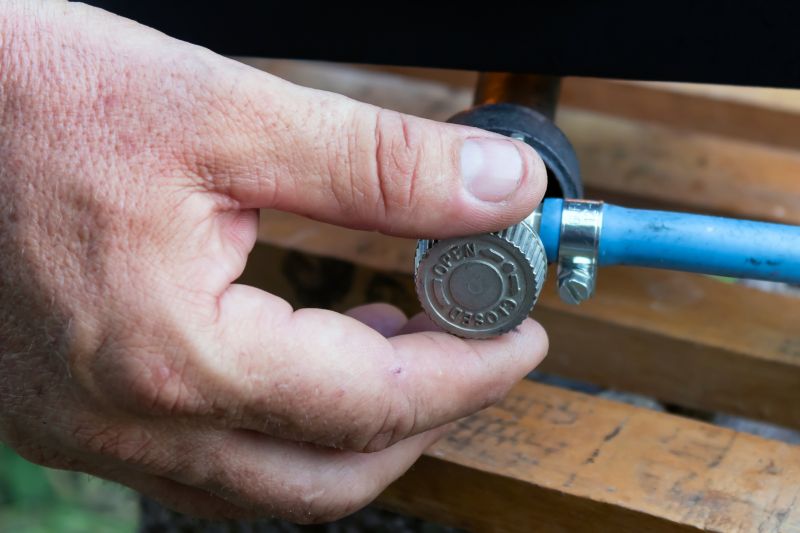
Gas line capping services involve sealing off an existing gas line to prevent the flow of natural gas or propane. This process typically includes disconnecting the gas supply, securely sealing the pipe, and ensuring there are no leaks or residual gases remaining. Proper capping is essential when a property owner plans to decommission a gas appliance, renovate a space, or prepare a property for sale or abandonment. Skilled service providers use specialized tools and techniques to ensure the cap is secure, preventing any potential leaks that could pose safety risks or cause property damage.
This service helps address several common problems. For homeowners, unneeded gas lines can become hazards if not properly capped, especially if they are left exposed or damaged. Gas leaks can lead to dangerous situations such as fire hazards, health issues from inhaling residual gases, or costly property damage. Additionally, unsealed gas lines may cause issues during property inspections or appraisals, particularly if the property is being prepared for sale. Gas line capping provides a reliable solution to eliminate these risks and ensure that the property remains safe and compliant with local regulations.
Properties that typically require gas line capping include homes undergoing renovation, properties being prepared for sale, or buildings that are no longer using certain gas appliances. Residential properties often need this service when removing or replacing appliances like stoves, water heaters, or fireplaces that are connected to the gas supply. Commercial buildings, rental units, and multi-family complexes may also require gas line capping when making upgrades, performing repairs, or closing off unused lines. In all cases, working with experienced local contractors ensures the work is completed safely and effectively.
Homeowners should consider gas line capping if they notice any signs of leaks, experience unusual gas odors, or are planning renovations that involve removing gas-powered appliances. It’s also advisable when preparing a property for sale or if a gas line is no longer in use but remains connected. Properly capped gas lines help prevent accidental leaks, improve safety, and ensure compliance with local building codes. Contacting local service providers can help determine whether gas line capping is necessary for a specific property and ensure the work is handled by qualified professionals.
The overview below groups typical Gas Line Capping projects into broad ranges so you can see how smaller, mid-sized, and larger jobs often compare in your area.
In many markets, a large share of routine jobs stays in the lower and middle ranges, while only a smaller percentage of projects moves into the highest bands when the work is more complex or site conditions are harder than average.
Smaller Repairs - Typical costs for minor gas line capping jobs generally range from $250 to $600. Many routine projects fall within this middle range, depending on accessibility and specific site conditions.
Moderate Projects - Medium-sized jobs, such as capping multiple lines or working in tight spaces, often cost between $600 and $1,200. These projects are common and usually involve more detailed work by local contractors.
Full Line Capping - Complete capping of an entire gas line system can range from $1,200 to $3,000, especially for older or more complex setups. Larger, more involved projects are less frequent but can reach higher costs based on scope.
Full Replacement - When a full gas line replacement is necessary, costs can start around $3,000 and may exceed $5,000 for extensive or high-risk jobs. Many projects are at the lower end of this range, with the highest costs reserved for complex scenarios.
Actual totals will depend on details like access to the work area, the scope of the project, and the materials selected, so use these as general starting points rather than exact figures.
Gas Line Removal - professionals experienced in safely disconnecting and removing existing gas lines for renovations or upgrades, utilizing similar planning and safety procedures as gas line capping.
Gas Line Repair - local contractors skilled in diagnosing and fixing leaks or damages in gas piping systems, requiring similar tools and safety protocols as capping services.
Underground Utility Excavation - service providers who handle digging and trenching for underground utilities, including gas lines, with careful planning to prevent damage and ensure safety.
Gas Appliance Installation - technicians who install or replace gas-powered appliances, requiring knowledge of gas line connections and safety measures akin to gas line capping.
Gas Line Inspection and Testing - specialists who perform pressure testing and inspections to ensure gas lines are secure and compliant, involving similar planning and safety considerations.
Pipe Fitting and Replacement - local pros skilled in installing and replacing various piping systems, including gas lines, which share technical skills and safety practices with capping services.
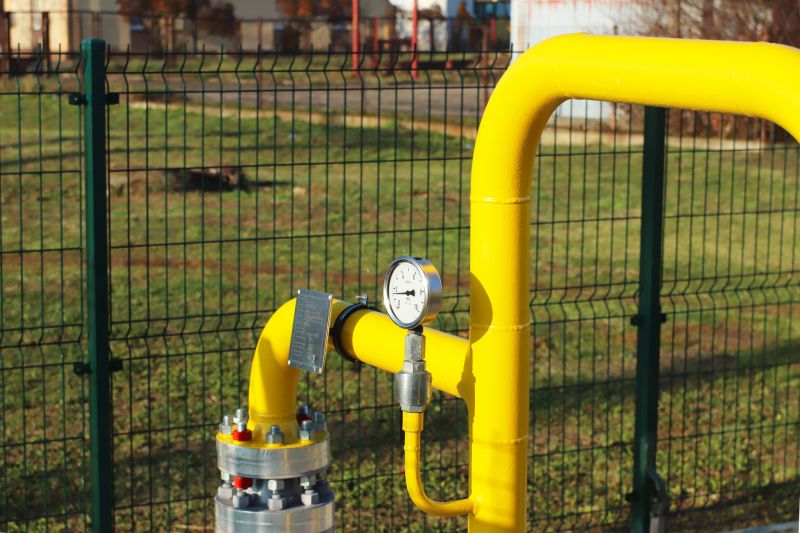
When evaluating contractors for gas line capping services, it’s important to consider their experience with similar projects. Homeowners should inquire about how long a service provider has been handling gas line work and whether they have a track record of successfully completing projects comparable in scope and complexity. An experienced contractor will typically have the skills and knowledge necessary to navigate potential challenges, ensuring the job is done safely and effectively. This background can provide confidence that the service provider understands the nuances of gas line capping and can handle the unique requirements of each property.
Clear, written expectations are essential when comparing local contractors. Homeowners should seek detailed estimates or proposals that outline the scope of work, materials to be used, and any specific steps involved in the project. Having this information in writing helps prevent misunderstandings and ensures everyone is aligned on what will be done. It’s also beneficial to ask about the contractor’s process for addressing unforeseen issues or changes in project scope, so expectations remain transparent throughout the job.
Reputable references and good communication are key indicators of a reliable service provider. Homeowners can ask potential contractors for references from previous clients who had similar work done, providing an opportunity to learn about their experiences and satisfaction levels. Additionally, a contractor’s ability to communicate clearly and promptly can make the process smoother and more predictable. While the site introduces homeowners to local options, it’s important to remember that the actual work is performed by qualified service providers who can be assessed based on their experience, clarity in expectations, and communication practices.
Property owners use Gas Line Capping services for practical projects around their homes and businesses. This guide focuses on everyday jobs and straightforward project options.
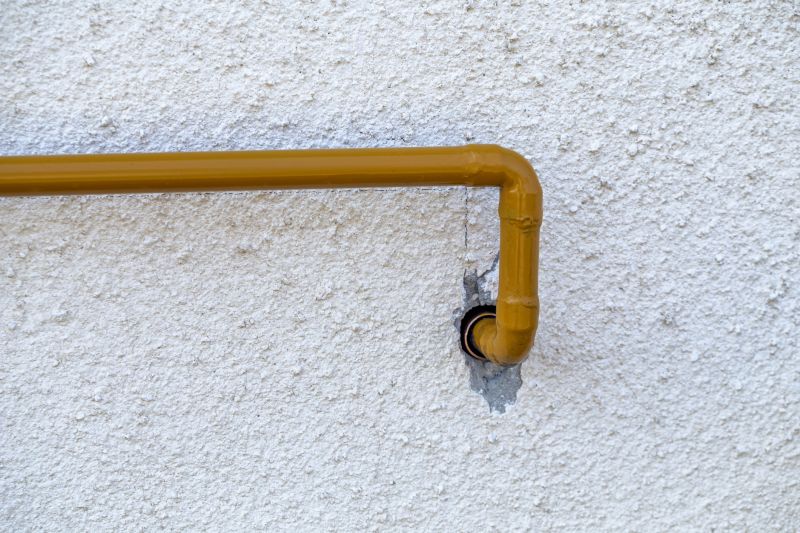
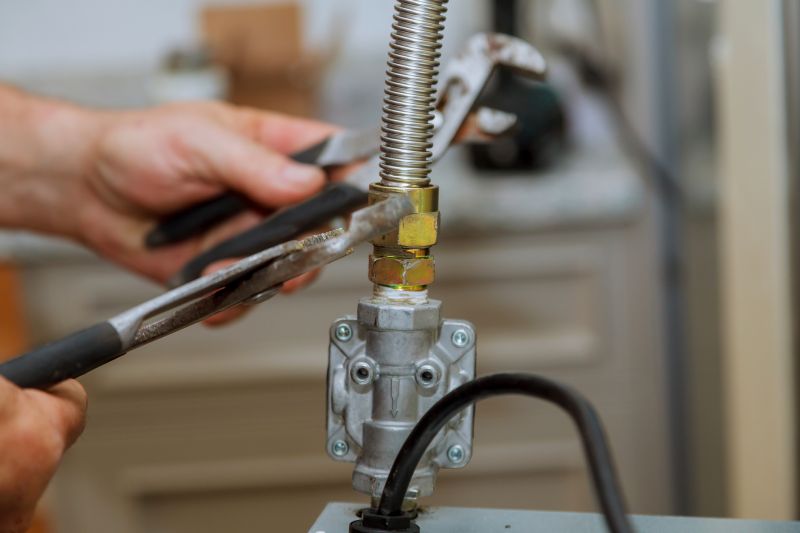
Gas line capping services are commonly needed during property renovations, upgrades, or when preparing a site for sale. Property owners might seek these services to safely disconnect or temporarily shut off gas lines that are no longer in use, ensuring safety and compliance with local regulations. Whether installing new appliances, remodeling kitchens, or removing outdated systems, local contractors can handle the capping process efficiently to prevent leaks and hazards.
Additionally, property owners may require gas line capping when performing repairs or addressing issues with existing gas infrastructure. This work helps prevent gas leaks and ensures the safety of residents and the property itself. Local service providers are available to assist with these projects, offering professional solutions tailored to the specific needs of each property in the area.
What is gas line capping? Gas line capping involves sealing off an unused or damaged gas line to prevent leaks and ensure safety.
Why might I need gas line capping services? Gas line capping may be necessary when removing appliances, performing renovations, or addressing damaged pipelines.
How do local contractors handle gas line capping? Experienced service providers assess the line, select appropriate caps, and securely seal the line according to safety standards.
Are gas line caps permanent or temporary solutions? Gas line caps can be installed as either temporary or permanent measures, depending on the specific needs of the project.
What should I consider before hiring a professional for gas line capping? It's important to choose qualified local contractors with experience in gas line work to ensure proper installation and safety compliance.
Property Renovation Projects - When upgrading or remodeling a property, gas line capping ensures unused lines are safely sealed during construction.
Hazard Prevention - If a gas line is no longer in use, capping prevents leaks and reduces the risk of accidents in the future.
Emergency Shutoff Preparation - For urgent repairs or emergencies, gas line capping allows local contractors to quickly secure the gas supply.
Property Sale or Transfer - During real estate transactions, capping gas lines can facilitate inspections and ensure compliance with safety standards.
If you are thinking about Gas Line Capping for a property, this guide is meant to help you understand the work, the typical project types, and how different options might fit your plans.
When you are ready, you can use the quote form on this page to share a few details about your project. From there, local pros can review the basics and respond with options that match what you have in mind.